Planning Epidemic Interventions with EpiPolicy
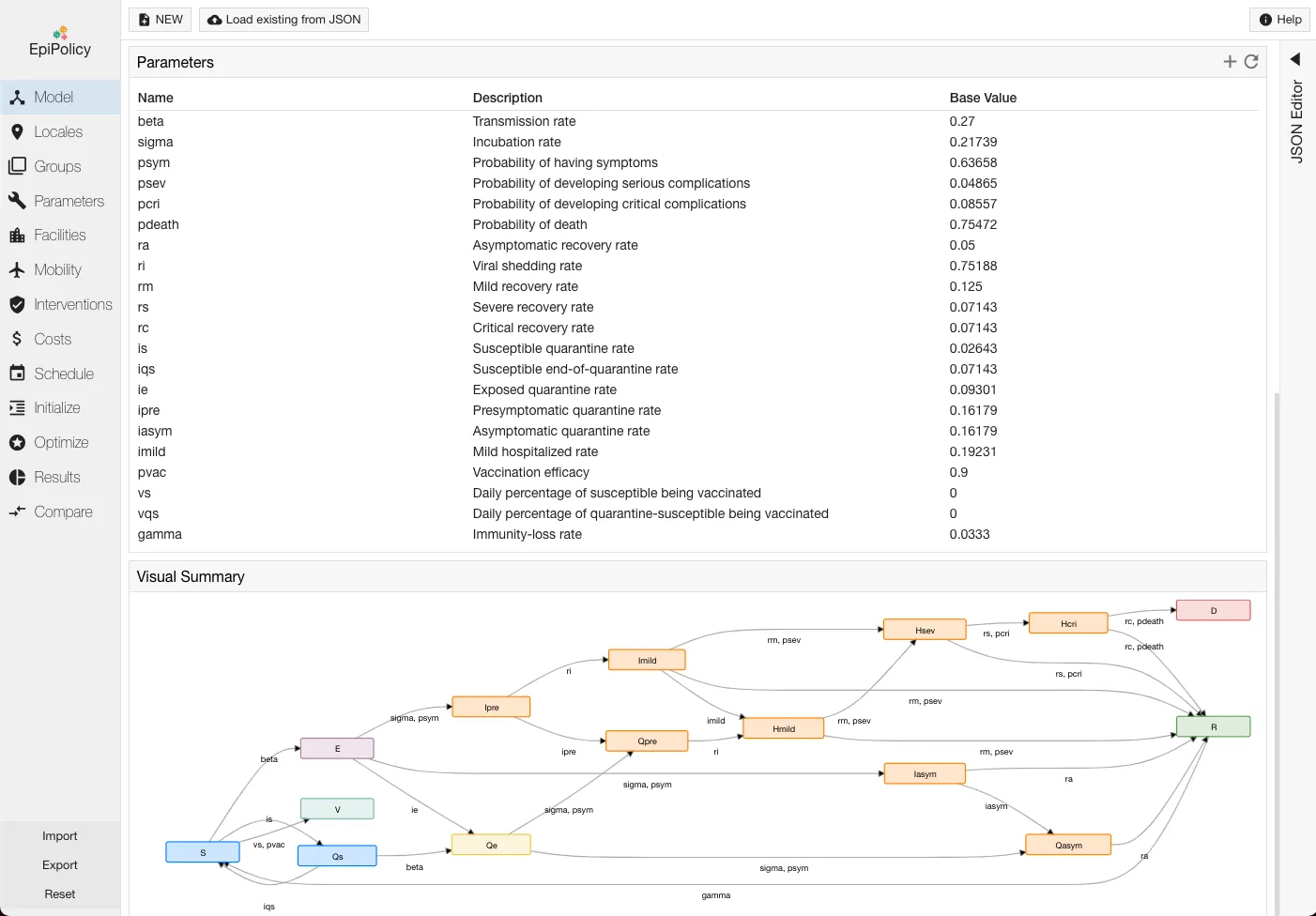
A population-based epidemic simulator and policy aid that allows users to customize its compartmental model to capture different epidemic scenarios. EpiPolicy’s user interface makes it easy to define various interventions such as social distancing, and disease-specific interventions. EpiPolicy aids policy makers by simulating and constructing locale-specific intervention schedules that reduce disease burden, and minimize social and economic costs.
Model-driven policymaking for epidemic control is a challenging collaborative process. EpiPolicy supports teams of public-health officials, epidemiologists, and economists as they construct predictive disease models representative of their region’s unique socio-economic and demographic characteristics.
The tool enables teams to simultaneously model each intervention’s effect on disease spread and economic cost, then engage in extensive what-if analysis to determine cost-effective policies: schedules of when, where and how extensively each intervention should be applied.
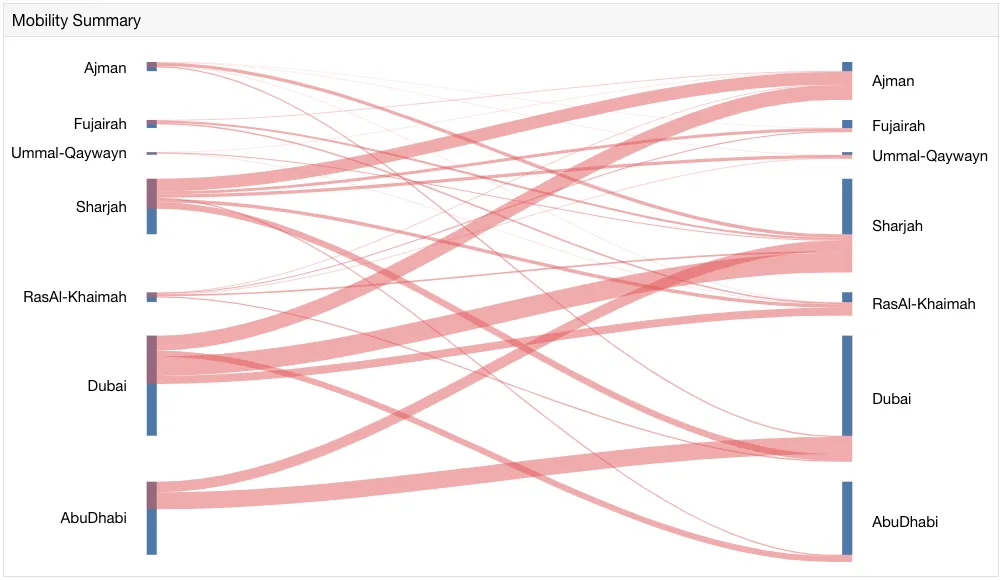
EpiPolicy’s design supports a separation of concerns in the modeling process and enables capabilities such as the iterative and automatic exploration of intervention plans with Monte Carlo simulations to find cost-effective solutions.